
2025 has been a defining year for HR and Reward teams. Economic pressure, shifting employee expectations and rapid digital change have forced organisations to rethink how they support their people, not just in theory, but in practice.
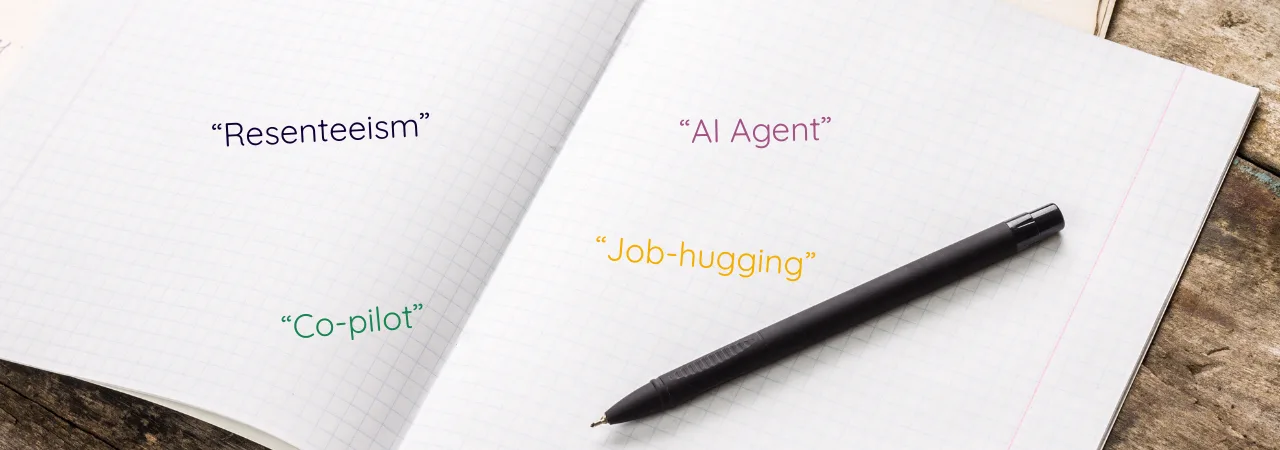
One of the biggest shifts has been the accelerated use of AI in the workplace. According to Microsoft’s 2024 Work Trend Index, over 75% of knowledge workers now use AI at work, often without formal guidance, prompting growing conversations around “ghostworking” where employees appear busy but feel disengaged, insecure or disconnected, automating tasks using AI without transparency. This, however, isn’t about laziness but rather, it’s about invisibility. Whether people are disengaging or quietly automating, something in the system isn’t working. Gallup continues to report low engagement levels globally, reinforcing what many HR professionals already know: engagement isn’t about forcing participation, but about creating meaningful value where it matters most.
In the benefits space, this has meant a renewed focus on financial wellbeing, mental health support and flexibility, especially as cost-of-living pressures continue to bite. Add to this the Budget announcement, which has put even more of a squeeze on businesses and employees alike.
Salary sacrifice pension schemes – once a key tax-efficient benefit – are losing some of their tax advantage, which in turn could mean that HR may need to provide new education around alternative ways to save for retirement (e.g., direct contributions or alternative schemes). Similarly, payroll changes will see employers and HR teams revising benefit communications and payroll systems so employees clearly understand how pension contributions and other benefits are changing. It’s not all bad, though. Some benefits remain tax-advantaged and attractive, such as:
These can continue to form part of a competitive benefits package, especially for financial wellbeing and retention.
In short, the most effective strategies in 2025 weren’t about doing more, but about communicating better, simplifying access and meeting employees where they are.
This year, the guests on HR Buzz Big Festive HR Quiz summed it up perfectly: the challenges are real, but so is the opportunity.
As we head into a new year, we can at the very least know we are building on the foundations of 2025, where we can make space for better conversations about how we support people at work. With the right tools, insight and intent, 2026 presents a real opportunity for HR and Reward teams to move from firefighting to future-focused impact.
Want to learn more about communication with your people? Download the My Little Book of HR Communications for tips on how to maximise your messaging to ensure your people feel heard, supported and informed.