Artificial Intelligence is rapidly transforming the modern workplace. From automating routine tasks to supporting decision-making and improving productivity, AI is no longer a future concept. It is already reshaping how organisations operate today, and the pace of change is only accelerating. New tools and platforms are emerging almost weekly, changing how employees communicate, analyse information and complete everyday tasks.
This rapid evolution presents both opportunity and challenge. Businesses that embrace AI stand to benefit from real improvements in efficiency and innovation, but only if their workforce has the skills to use it effectively and responsibly. Without proper investment in learning and development, organisations risk being left behind.
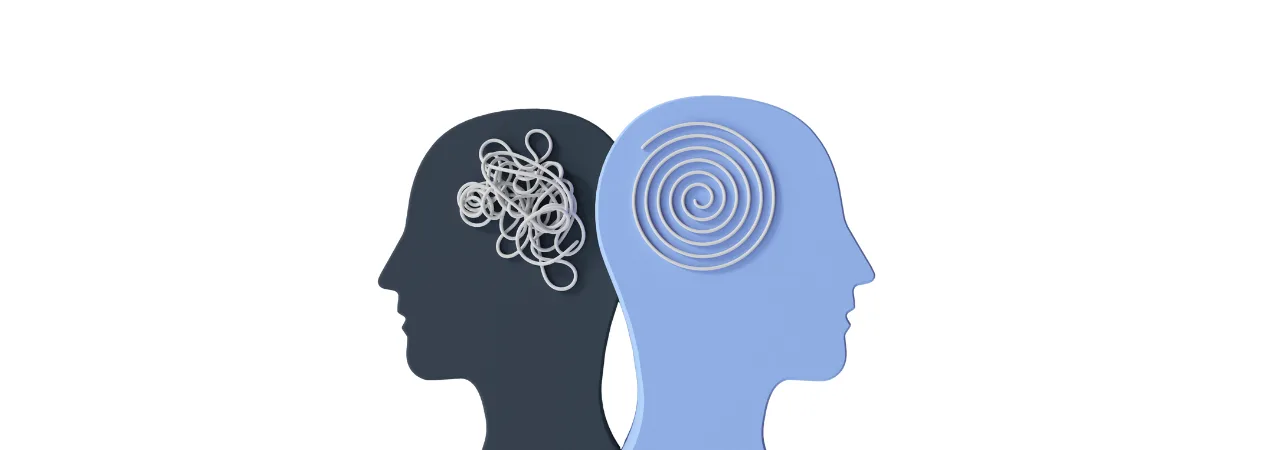
Many organisations are pouring money into AI, but workforce readiness is not keeping pace. McKinsey reports that 92% of companies plan to increase their AI investment, yet only 1% consider themselves mature in AI deployment, meaning AI is fully integrated into workflows and delivering meaningful outcomes. That is a significant gap, and it points to something important. The barrier to AI success is rarely the technology itself. More often, it comes down to the skills, leadership and organisational structures needed to use it well.
What is perhaps most surprising is that employees are often more ready than their leaders assume. Research shows that workers are already using AI tools more frequently than executives realise, suggesting that informal adoption is happening faster than any formal training or strategy can keep up with.
The skills gap looks different depending on who you ask. McKinsey data also shows that employees aged 35 to 44 report the highest confidence and familiarity with AI tools, while older age groups show significantly lower levels of familiarity. Only around 26% of workers aged 55 to 64 and 22% of those aged 65 and over report extensive familiarity with generative AI.
This does not mean older employees cannot adapt. Far from it. But it does highlight the importance of inclusive learning strategies that meet people where they are, regardless of where they are in their career. Without targeted development opportunities, organisations risk creating uneven adoption across their teams and widening the internal capability gap further.
Closing the AI skills gap requires organisations to rethink how they approach learning and development altogether. Traditional training models that rely on occasional courses or fixed skill sets are no longer enough in an environment where technology evolves so quickly. Instead, businesses should focus on embedding AI learning into everyday work and encouraging experimentation in safe environments. It is equally important to support managers to lead AI adoption confidently, and to build cultures where learning new technology is expected, not optional.
AI is reshaping work faster than ever before, and the organisations that invest in their people alongside their technology will be the ones best positioned to thrive.
If you are looking for a cost-effective way to support employee development, engagement, and wellbeing while helping your workforce adapt to change, our team can help.